Almond Germination And Growth Learn About Growing Almonds From Seed
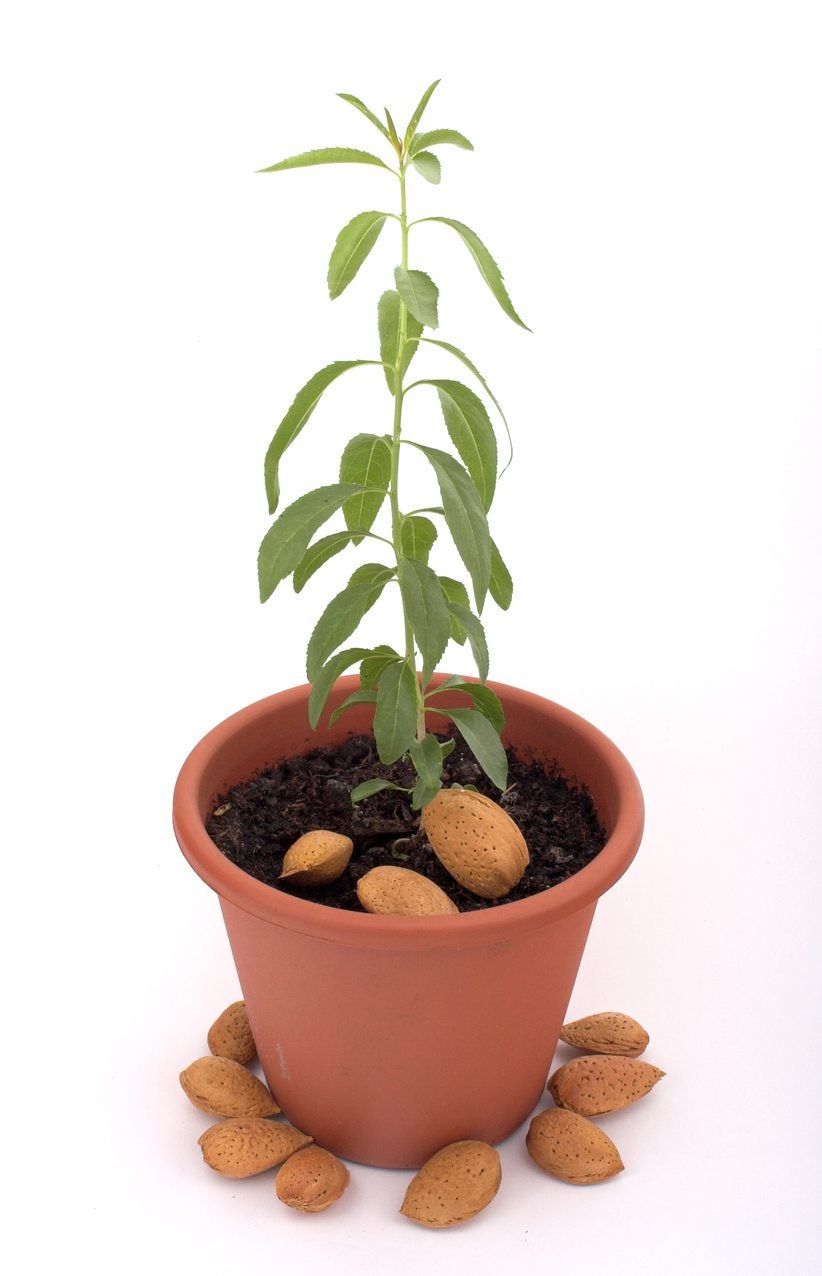
Once the hole is filled, give the tree plenty of water. Now, you can also lightly fertilize your plant to enhance its growing conditions. Almond tree planting spacing. These trees prefer to grow 15-20 feet (4.6-6 meters) away from one another. Though row-to-row spacings of 20 to 22 feet (6 to 6.7 meters) and tree-to-tree spacings of 12 to.
Almond Tree Self Pollinating Diaco's Garden Nursery Melbourne

Almonds have deep roots so the soil needs to be loose and loamy. Make sure you have added well-rotted organic matter to the soil. Dig a hole twice the size of your root ball and lower the plant in carefully. Once you've backfilled the hole, water in well and stake the tree for the first year of growth.
California Almonds Lifecycle I Ideal Mediterranean Climate
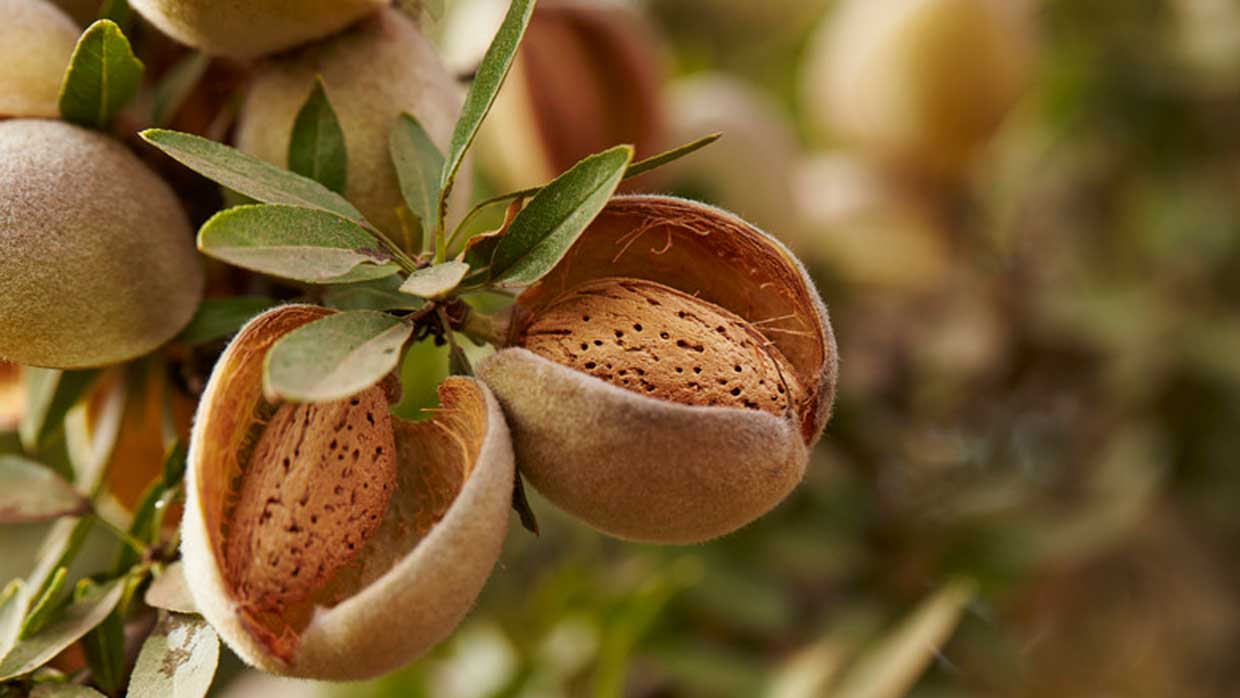
Plant your almond about an inch or 2 under the soil and cover. Do this in the fall so that the nut can overwinter for sprouting in the spring. Cover the spot with heavy wire screen to keep out the rodent pests. Alternatively, you can plant seedlings or grafted seedlings.
How to Plant, Grow, and Care for Almond Trees Gardener's Path
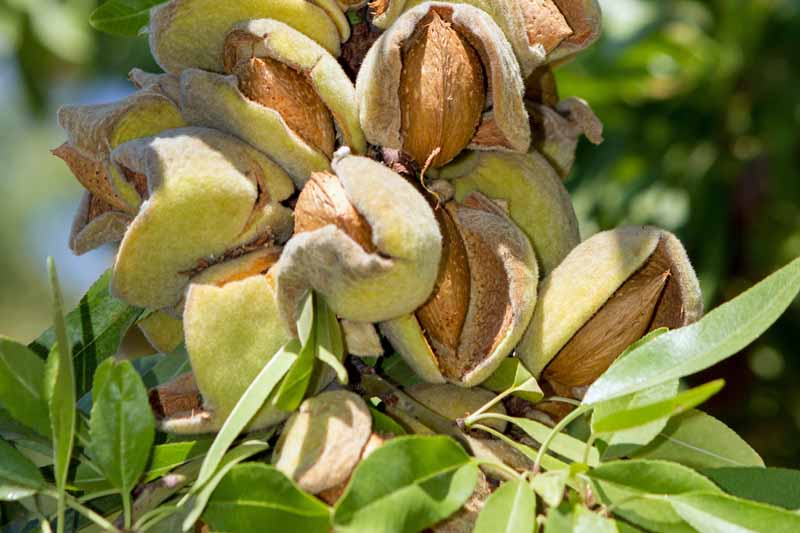
Almond trees should be planted 19 to 26 feet (6-8 m.) apart and irrigated despite the fact that the trees are drought tolerant. An application of nitrogen and organic fertilizer will aid in growth. These trees have high nitrogen (N) and phosphorus (P) requirements. To plant the almond tree, dig a hole wider than deep and make sure the roots fit.
Almonds A Handful Can Make a Difference A versatile tree nut Healthyliving from Nature

The Planting Process. When to Plant Almond Trees. Almond trees are typically planted in late winter or early spring when the soil is workable and the risk of frost has passed. This allows the trees to establish their root systems before the growing season begins. It's important to ensure the availability of adequate water for irrigation.
Do Almonds Grow on Trees + How Do Almonds Grow Balcony Garden Web
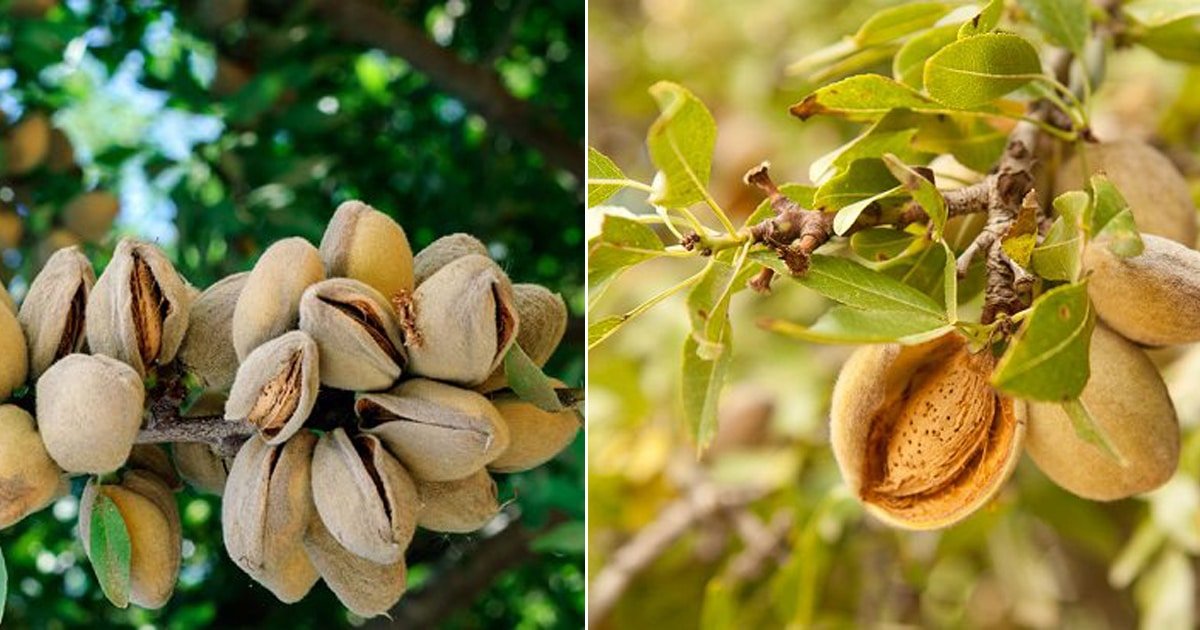
The almond tree (Prunus dulcis) is native to Southwest Asia. It is an essential economic crop tree people grow primarily in 28 degrees and 48 degrees N Mediterranean climates, with 80 percent of the global supply coming from California.. Almond comes in bitter almond (P. dulcis variety amara) and sweet almond (P. dulcis variety dulcis).
AllInOne Almond Tree Ison's Nursery & Vineyard
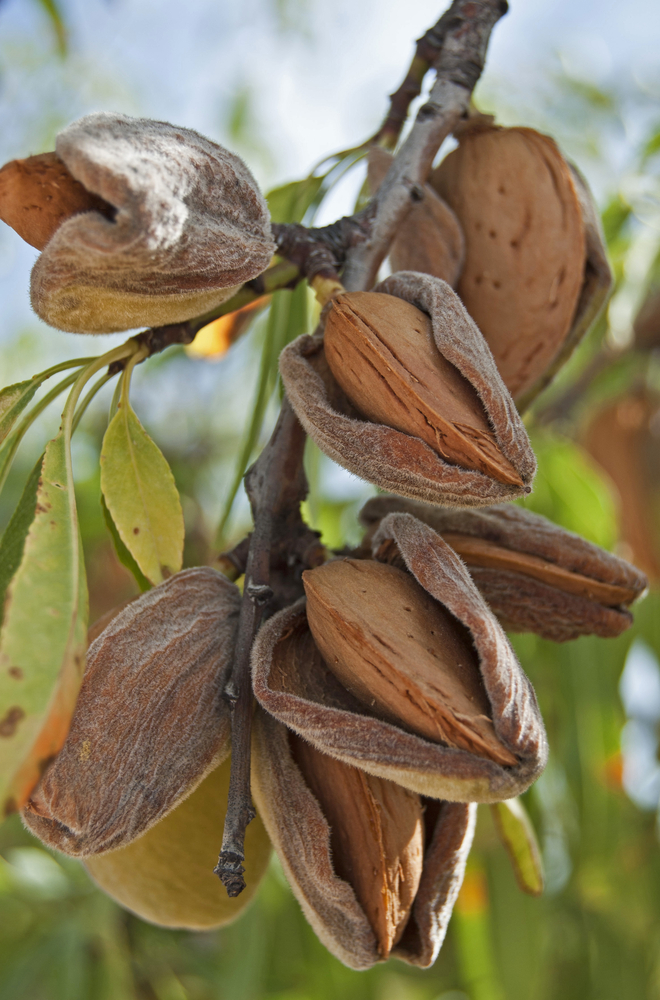
To grow almonds, plant almond seeds or seedlings somewhere that has hot, arid summers and mild winters. Choose a spot that gets a lot of direct sunlight and thoroughly water your almond tree once a week so it doesn't dry out. Also, fertilize your almond tree in the spring so it grows healthy and strong during the summer.
Harvard’s Nutty Idea Cracking Into the Almond Market WSJ

Light: 'Almond trees require full sun exposure,' Mike says. Ideally, 'plant your tree in a location with at least 6 hours of direct sunlight daily.'. Whilst they will tolerate partial shade, a sunny, sheltered spot will help the tree to produce as many blooms, and fruits, as possible.
5 Plant That Smells Like Almonds [ 2 Is Our Favorite Pick ]

How to Propagate Flowering Almond. Trim a 12- to 16-inch mature section of the flowering almond, but don't trim the connecting shoot. from the plant. Trim the bark from 1 inch of it, and tear off leaves from the bottom portion. Put the trimmed end in rooting hormone and place it in a pot of soil. In about six to eight weeks, your cutting should.
When should you pick your almonds? Grow Great Fruit
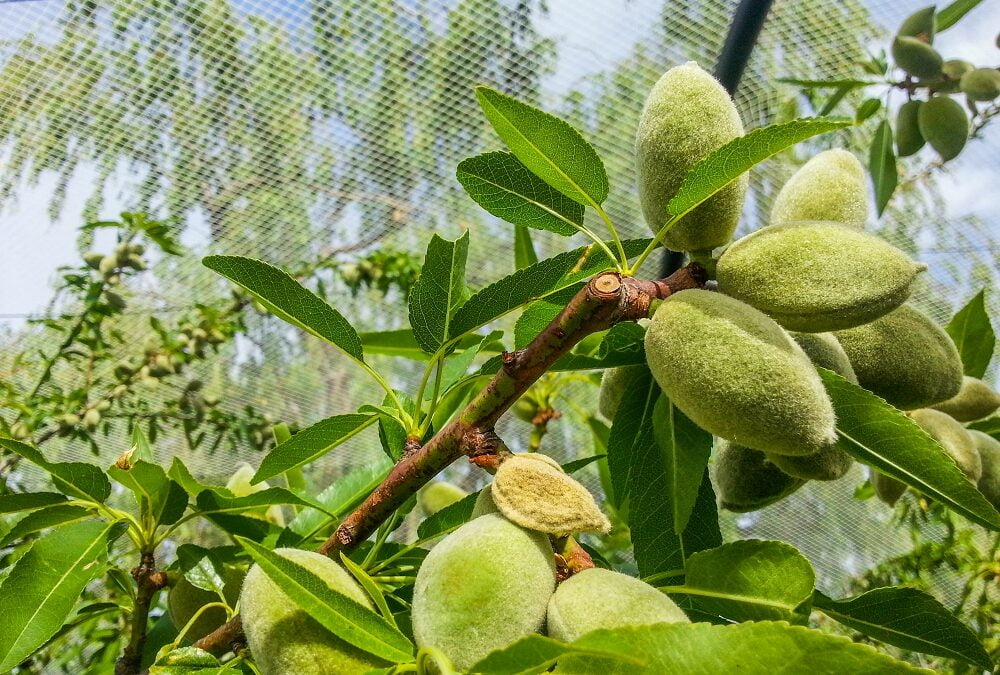
Step 1: Wait until the almond tree is ready to harvest - Almonds are typically harvested in late summer/early fall once they have ripened. Check your almonds' color to ensure they are a deep, solid brown. If you wait past a certain point, the nuts can become overly ripe and drop off the trees.
Where Do Almonds Grow & How To Grow Them Where do almonds grow, Food garden, Growing vegetables

Press each seed down into the soil and inch (2.5 cm.) or so. Water the seeds and place the container in a warm, sunny area. Water once a week or when the soil feels dry 1 ½ inches (4 cm.) down into the soil. Transplant the plants when they are 18 inches (46 cm.) in height.
How to Grow and Care for Dwarf Flowering Almond
:max_bytes(150000):strip_icc()/pink-flowering-almond-bush-4125609_02-be44fb603915447ba7f5d67ebbed4e4a.jpg)
Almond trees grow quite large, and at maturity will occupy a space roughly 20 x 20 feet (10-12 foot radius from the trunk). Before planting, control perennial weeds around the planting location. Incorporate organic material into the planting location. Compost, peat moss, potting soil, or manure are suitable sources of organic matter.
زراعة اللوز من البذور / How to plant almond seeds YouTube
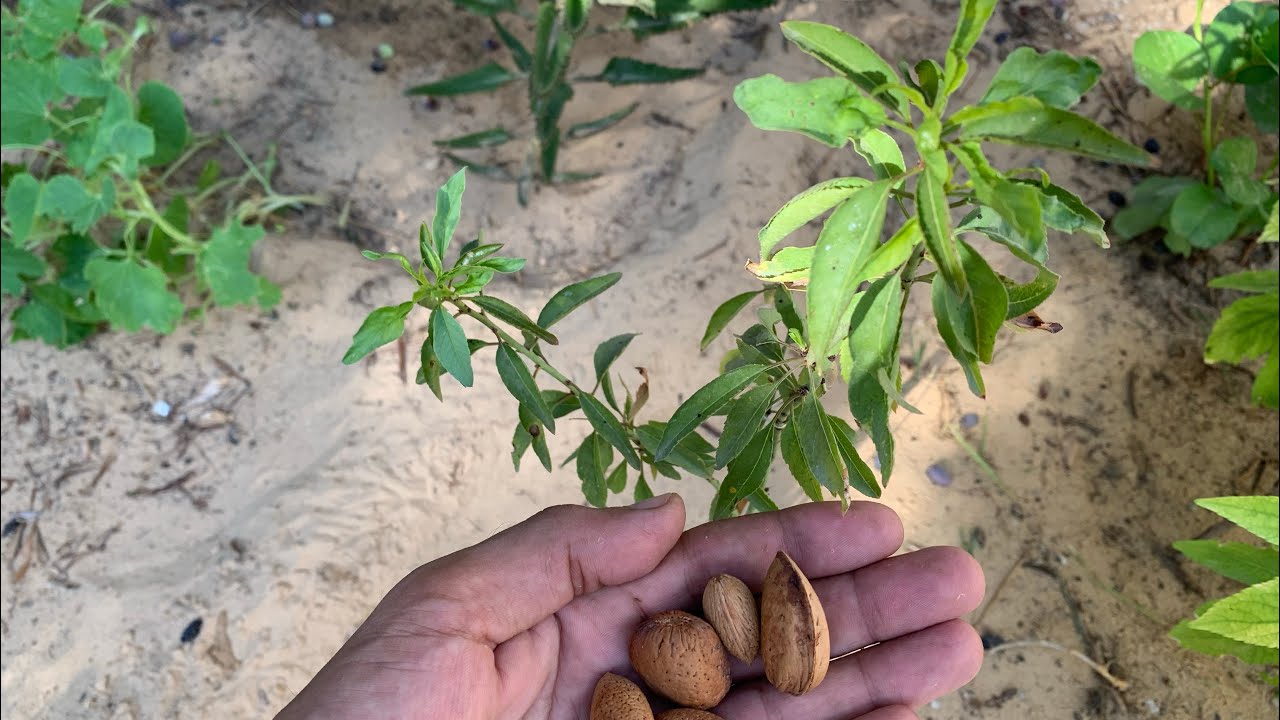
Water. Like other nut trees, almond trees need a lot of water to grow healthy. Aim for about 3 to 4 inches of water per week, or enough to keep the soil moist. Almond trees are relatively drought tolerant, but it's best to provide plenty of water to produce a suitable harvest.
Why Won't My Almond Tree Fruit Reasons For No Nuts On An Almond Tree

How to plant an almond tree. Autumn is the ideal time to plant an almond tree, so the tree can start to establish well before the growing season starts in spring. Late winter to early spring is the next best time. However, container grown trees can be planted at any time of year. Dig a planting hole sufficiently wide for the roots to be spread out
Almond Diseases and Pests, Description, Uses, Propagation

Planting Almond Trees: Plant in deep, fertile, well draining sandy loam. Plant each tree about 19-26 feet apart. Although the trees are drought tolerant, they should still be irrigated. Apply a nitrogen and organic fertilizer to aid in growth. To plant, dig a hole wider than deeper and be sure that the roots fit easily into the depth.
Almonds, pollination and harvesting Bee Informed Partnership
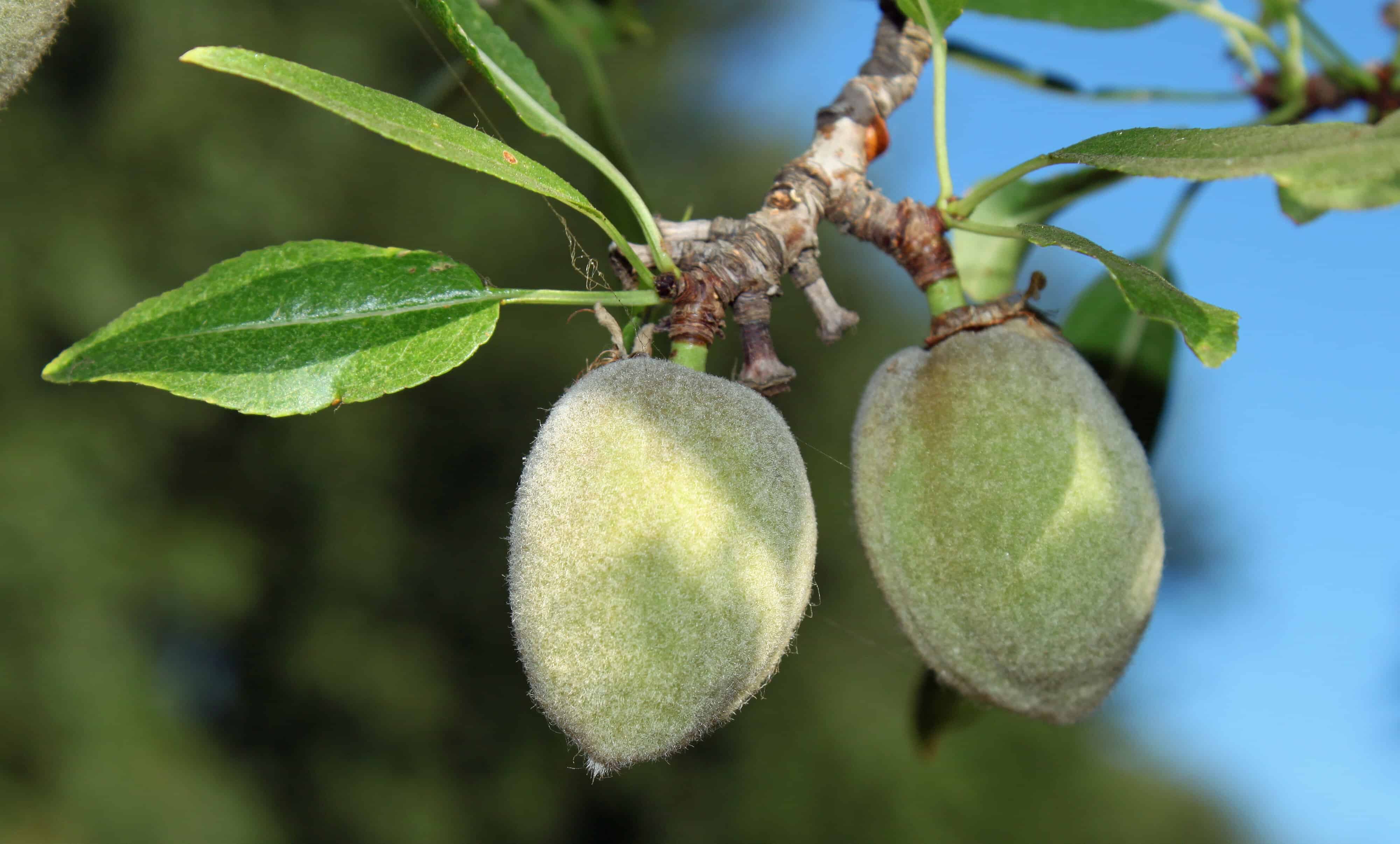
Water it every week until your plant is ready to be transplanted into the garden soil. Wait until the plant is around 18 inches tall to put it in the garden soil. Identify which seeds are good for planting after stratification and which you can toss away. Watch this video: How to grow almond tree at home.