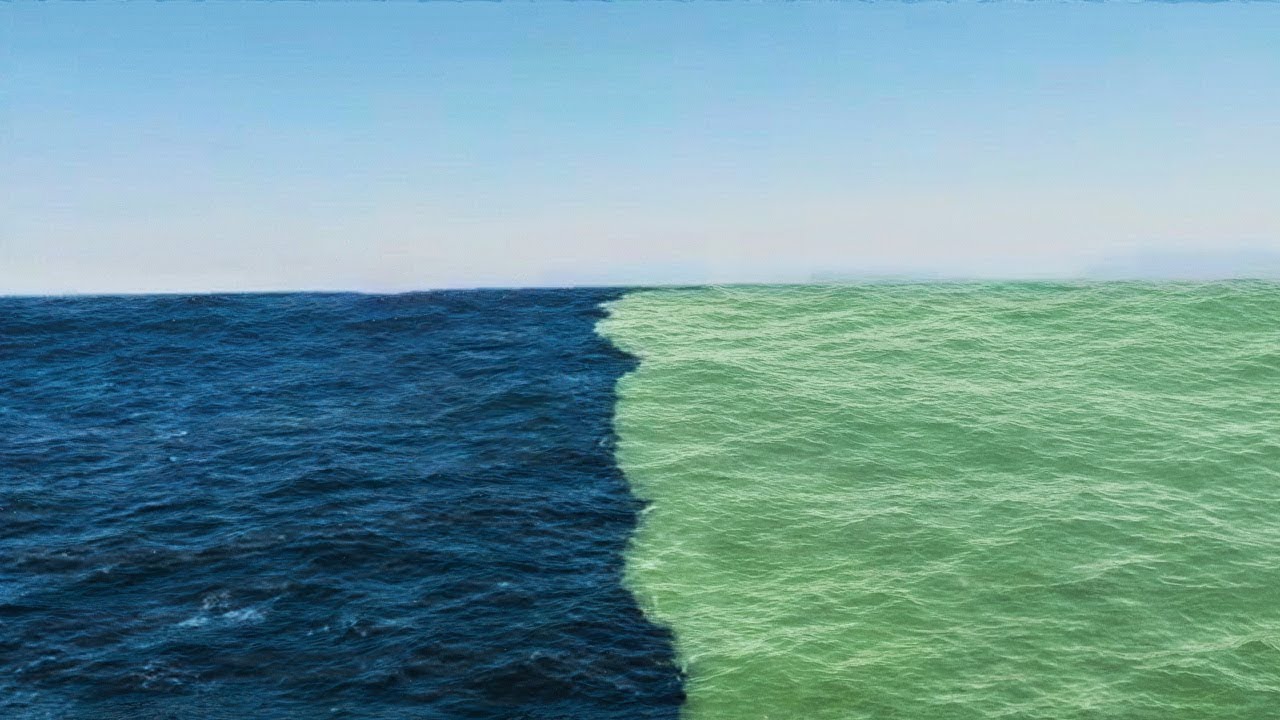
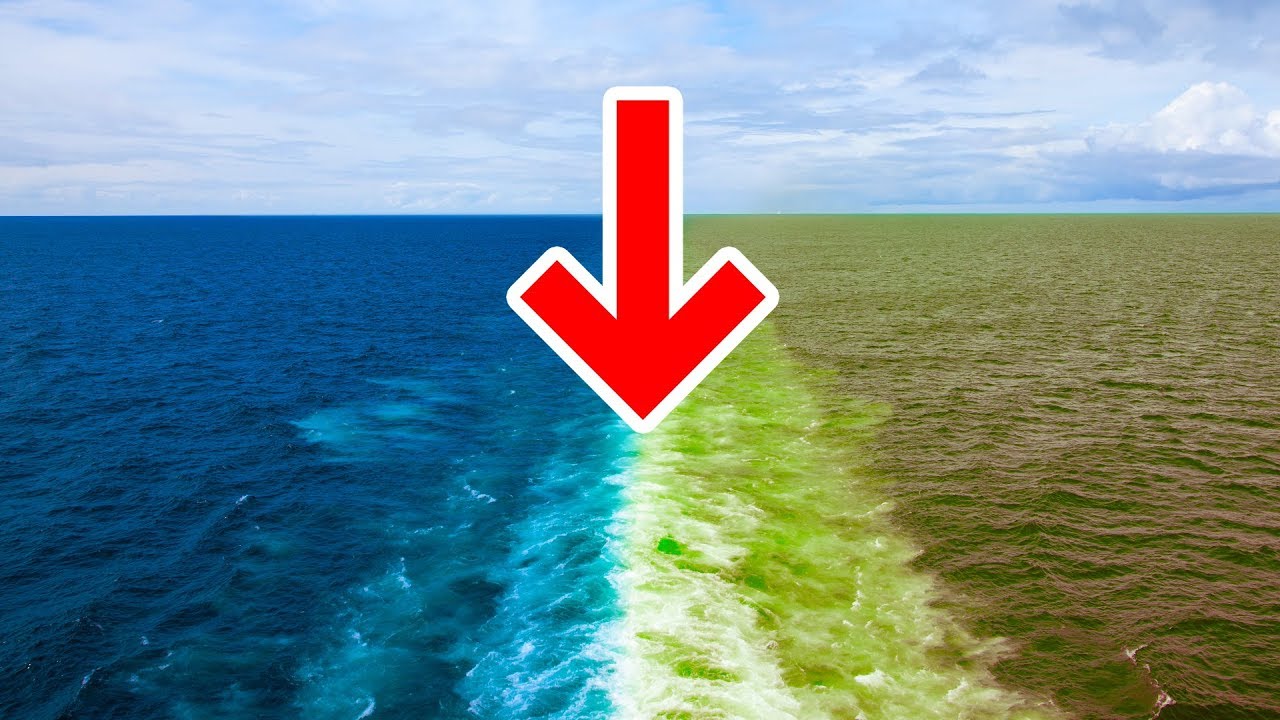
Today I saw two tides meeting in the middle of the ocean. Ocean

Waves transmit energy, not water, and are commonly caused by the wind as it blows across the ocean, lakes, and rivers. Waves caused by the gravitational pull of the moon and the sun are called tides. The ebb and flow of waves and tides are the life force of our world ocean.
Fun Fact Friday Why does the ocean have waves? Alliance Work Partners

Powerful waves amplify each other. Ocean waves are one of the most powerful natural forces on Earth and could become even more powerful in the future due to climate change. If the wave field.
LISTS SEAS And OCEANS A TO Z INDEX OF THE WORLD In World Map With Seas

Ocean Waves and the Coast. Since ocean waves are one of the most powerful natural phenomena on Earth, they have a significant impact on the shape of the Earth's coastlines. Generally, they straighten coastlines. Sometimes though, headlands composed of rocks resistant to erosion jut into the ocean and force waves to bend around them.
The Ocean Has Issues 7 Biggest Problems Facing Our Seas, and How to

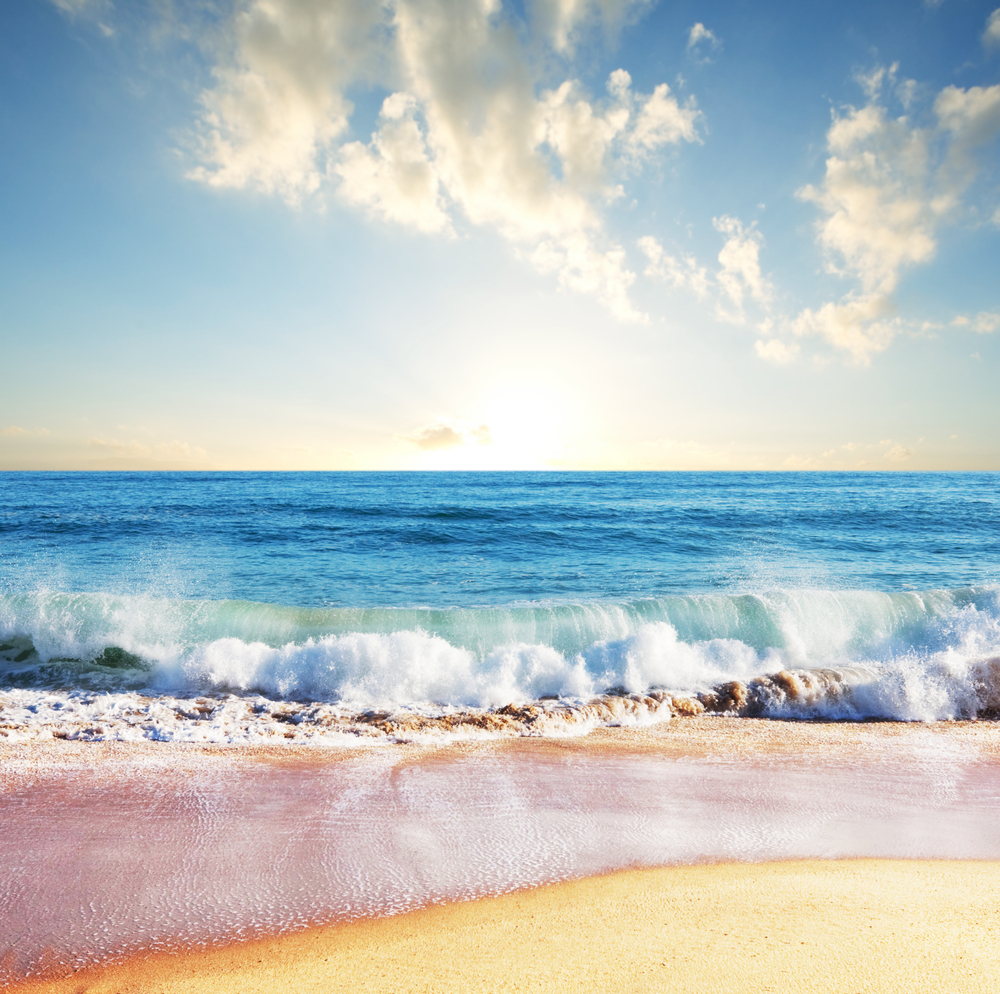
Everyone reading this has probably spent some time to the ocean at some point in your life. The sand beaches, the peace of the ocean, the crashing waves. b.
Why Do Oceans Have Two Unmixable Bodies of Water?

Waves start out in the deep, open ocean as relatively vertical in shape, Presnell said. As a wave travels toward the shore, though, the bottom part of the wave drags along the ocean floor. The.
How were the Oceans Formed on Earth ? Earth Science Seriously True
Ocean waves are disturbances in the surface of the ocean. Ocean waves come in many shapes and sizes, ranging in length from a fraction of a centimeter for the smallest ripples to half the circumference of Earth for the tides. They are formed by wind, gravity, earthquakes, and submarine landslides disturbing the water surface.
This Is Why These Two Oceans Don't Mix YouTube
But why does the ocean have waves? In fact, wind is the most common cause for waves. Because the friction between wind and surface water creates wind-driven waves, or surface waves. So, as wind.
Why does the ocean have waves?

The wave crests, curling over the top and tumbling over itself. It crashes onto shore and slides up the beach before retreating. Not all waves crest on shore the way wind-caused waves do. Big storms can cause storm surges. Underwater earthquakes or mudslides can cause long waves called tsunamis.
Mighty or Gentle, Ocean Waves Are All Live Science
The wind not only produces currents, it creates waves. As wind blows across the smooth water surface, the friction or drag between the air and the water tends to stretch the surface. As waves form, the surface becomes rougher, making it easier for the wind to push the water surface and intensify the waves. Take it to the MAX!&nb
Hawaii's spectacular ocean waves in pictures US news The Guardian
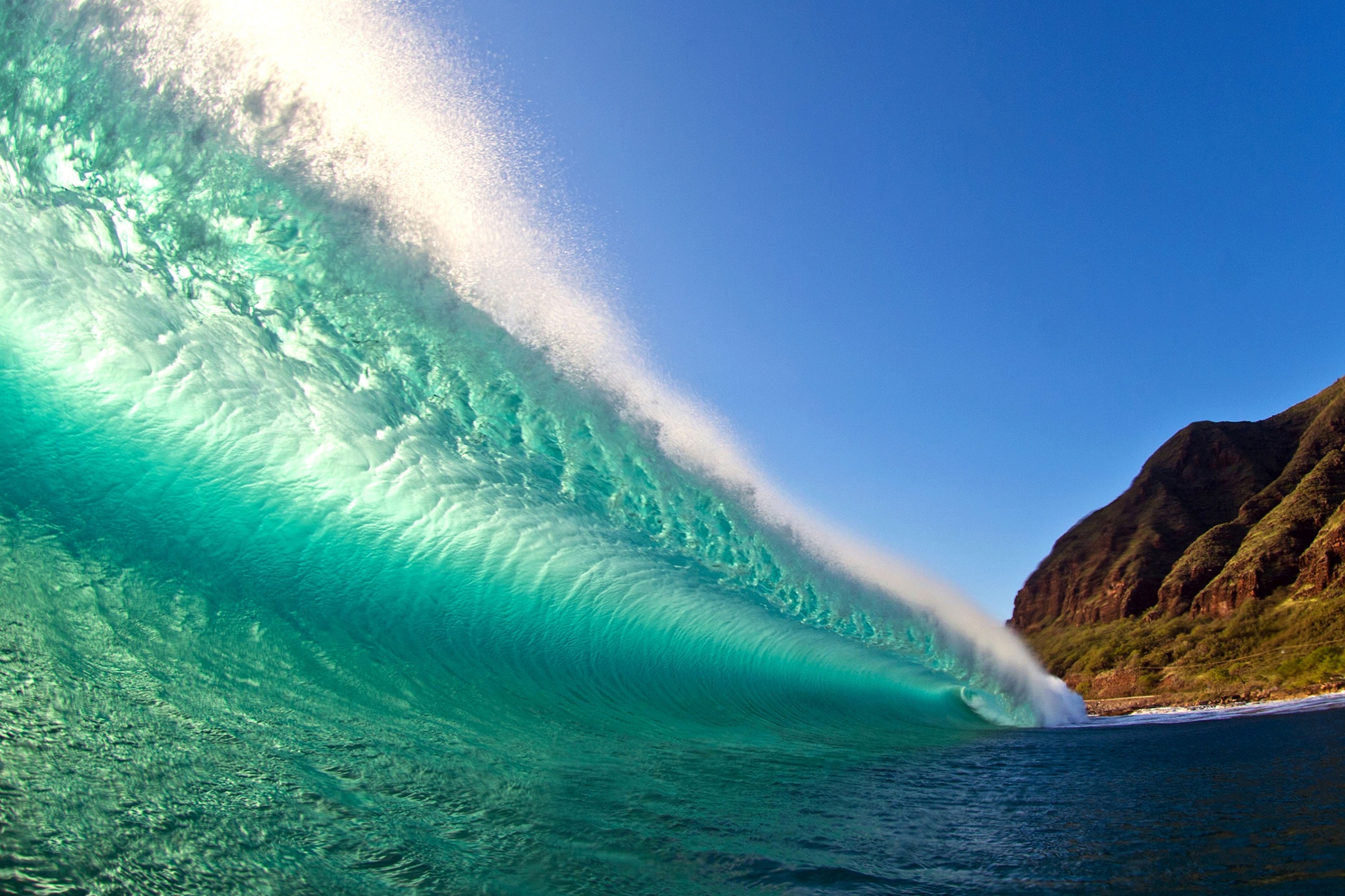
The waves might have been created thousands of kilometres away, or they could have been created near you. There are lots of types of waves in the ocean, but the waves you usually see at a beach.
Importance of Our Oceans and Issues That Affect Them

Tidal Waves. When the moon, rather than the wind, tugs on the ocean's surface, tidal waves form. Yes, the moon's gravity actually pulls on our planet's surface. (This gravitational pull affects.
Why Do Ocean Sounds Help You Sleep?
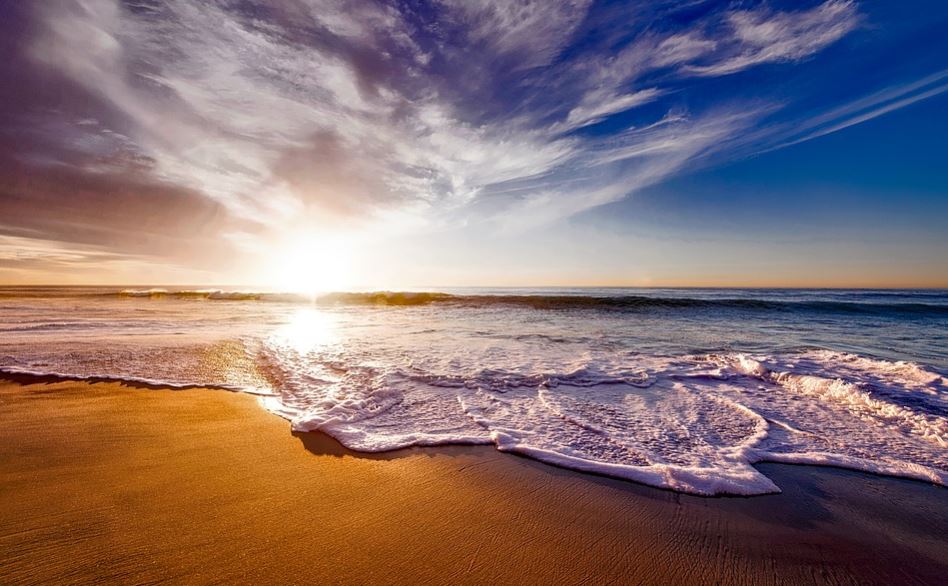
Oceans have open horizons with no obstacles in the way, allowing the wind to flow freely across the water. This causes the wind to create bigger waves as it pushes the water uninterrupted. Lakes, on the other hand, are often surrounded by trees, hills, or buildings. These objects act like barriers, blocking the wind from creating strong waves.
Ocean Habitat facts and photos

Seismic activity can cause a series of long-wavelength waves known as a tsunami, due to the displacement of large amounts of water. The gravitational pull of the sun and moon also cause waves to.
Why the Atlantic and Pacific Oceans Don’t Mix Canvids
Waves are most commonly caused by wind. Wind-driven waves, or surface waves, are created by the friction between wind and surface water. As wind blows across the surface of the ocean or a lake, the continual disturbance creates a wave crest. These types of waves are found globally across the open ocean and along the coast.
Surf’s Up How Ocean Waves, Tides, And Temps Can Help Power The World
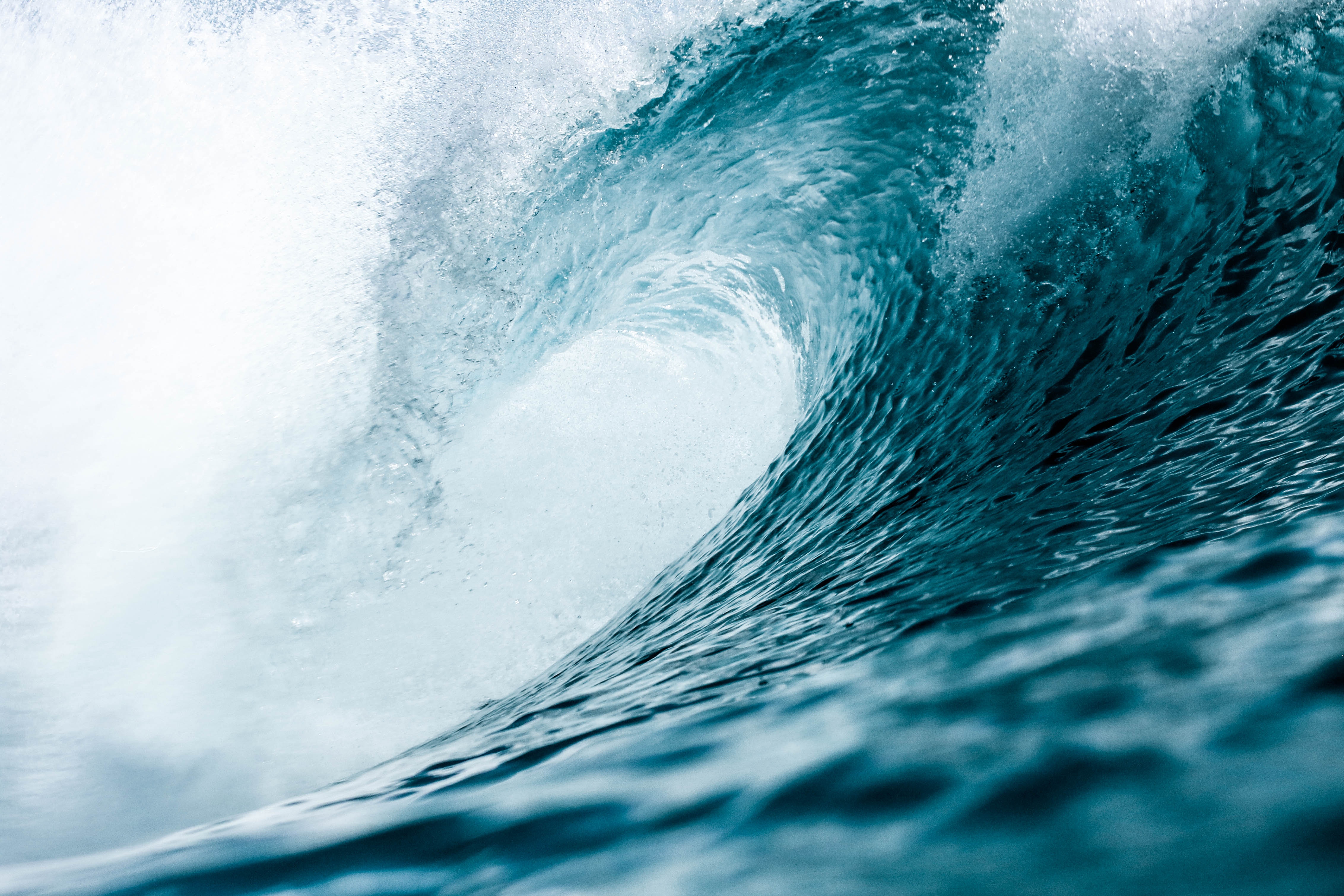
Dan Grinwis. On average, we found extreme wave heights in many places are likely to grow by between 5% and 8% by 2100. However, there is a lot of uncertainty in those estimates. One source of.
What causes waves in the ocean? New Scientist

Waves result from energy moving through water, which makes it flow in a circular manner. Various factors, including wind, the Moon, earthquakes, and underwater landslides, cause ocean waves. The.